


What is a single-phase transformer? Structure, pplications, and installation guide
A single-phase transformer is an essential electrical device used in power transmission and distribution systems. It is widely applied in residential areas, agricultural operations, and small-scale industrial facilities. By efficiently converting voltage levels, it provides a stable and reliable power supply while meeting various electrical demands.
In Vietnam, single-phase transformers are particularly common in rural areas and locations with relatively low electrical loads. But what exactly is a single-phase transformer? How is it constructed, where is it used, and what should you consider when selecting, installing, and maintaining one? Let's explore these topics with LE Transformer in the article below.
Single-phase transformer applications and key features.
1. What Is a Single-Phase Transformer?
A single-phase transformer is an electrical device designed to step up or step down single-phase alternating current (AC) voltage while maintaining the same frequency. It operates based on the principle of electromagnetic induction and plays a vital role in residential, agricultural, commercial, and light industrial electrical systems.
Single-phase transformers are typically selected for applications with relatively low power demands where a reliable and cost-effective power supply solution is required.
2. Structure of a Single-Phase Transformer
A single-phase transformer has a relatively simple design consisting of the following main components:
- Magnetic Core: Provides a path for magnetic flux between the windings while minimizing energy losses.
- Primary Winding: Receives the incoming electrical power.
- Secondary Winding: Delivers the output voltage to connected electrical equipment.
- Insulation System: Electrically isolates internal components to ensure safe and reliable operation.
- Transformer Tank and Cooling System: Protects internal components from environmental conditions and dissipates heat, particularly in higher-capacity transformers.
Working Principle
A single-phase transformer operates according to the principle of electromagnetic induction. When alternating current flows through the primary winding (N₁), it generates a continuously changing magnetic field within the transformer core. This magnetic field induces a voltage in the secondary winding (N₂), producing the output voltage (U₂) supplied to the connected load.
Depending on the turns ratio between the primary and secondary windings, the transformer can either increase or decrease the voltage while maintaining the original frequency of the power source.
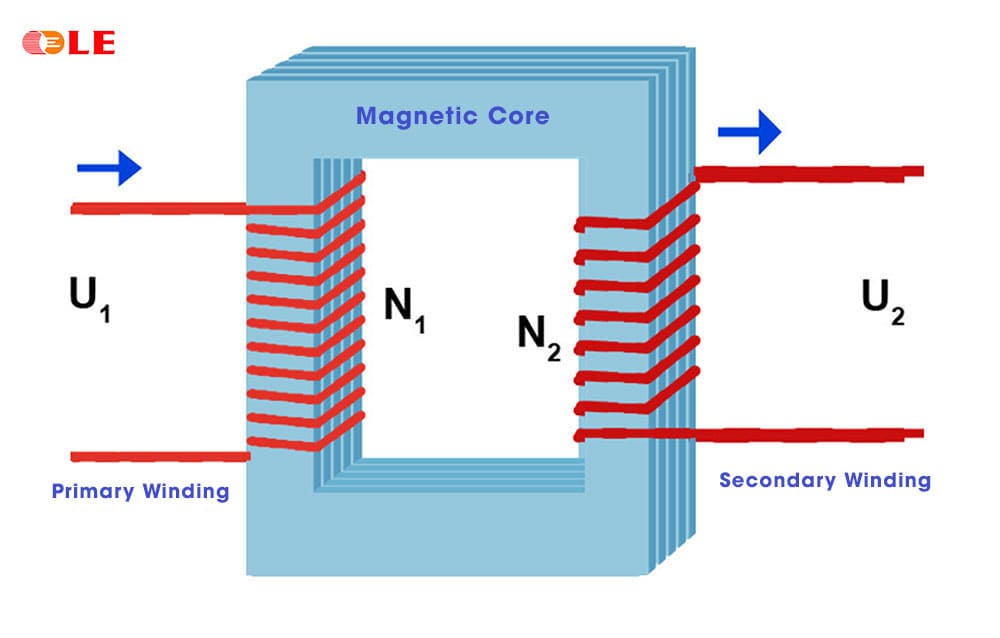
Structure of a Single-Phase Transformer
3. Applications of Single-Phase Transformers
Single-phase transformers are widely used in various sectors, including:
- Residential homes and housing developments
- Street lighting and lighting systems
- Agricultural irrigation and livestock farms
- Aquaculture facilities
- Small manufacturing workshops and factories
- Electrical control panels and automation systems
In Vietnam, these transformers are especially popular in rural areas and locations where electrical loads are relatively small.
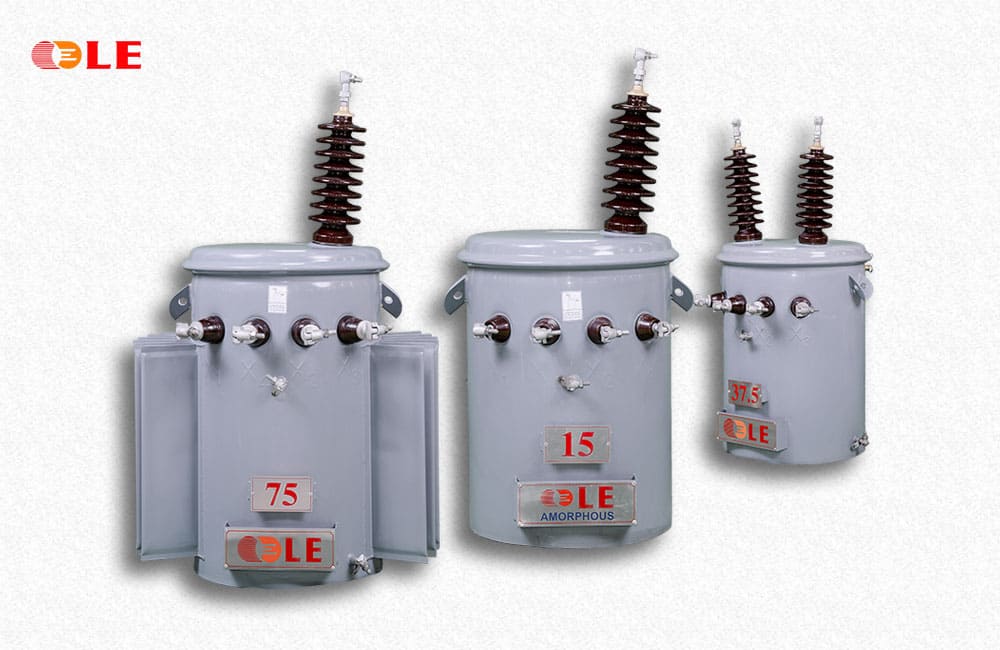
LE single-phase transformers
4. Advantages and Disadvantages
Advantages
- Simple and reliable construction
- Cost-effective investment
- High operating efficiency
- Easy installation and maintenance
- Ideal for small and medium electrical loads
Disadvantages
- Not suitable for high-power electrical systems
- Lower power capacity compared to three-phase transformers
- Designed exclusively for single-phase power supply applications
5. Installation, Storage, and Maintenance Guidelines
To ensure stable performance and maximize service life, the following recommendations should be observed:
- Select a transformer with the appropriate voltage rating and power capacity for your application.
- Install the transformer in a dry, well-ventilated location away from flooding, moisture, and corrosive chemicals.
- Periodically inspect electrical connections, insulation systems, and overall operating conditions.
- For oil-immersed transformers, regularly check the oil level and inspect for any signs of oil leakage.
- Keep the transformer clean to prevent dust accumulation that could reduce cooling efficiency.
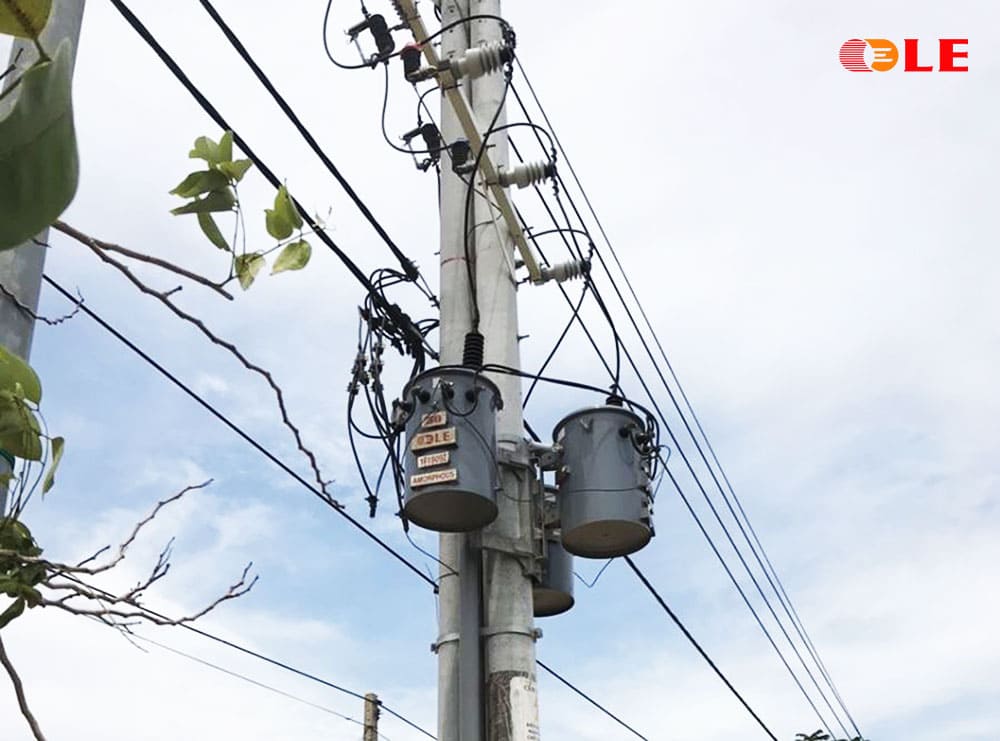
LE single-phase transformer installed on a utility pole
Routine maintenance helps extend equipment lifespan, minimize unexpected failures, and ensure the safe and reliable operation of the electrical system.
Single-phase transformers provide an efficient and economical solution for residential, agricultural, and small-scale industrial power systems. Their simple construction, high efficiency, and ease of maintenance make them an excellent choice for applications with moderate electrical loads.
Choosing a high-quality transformer and following proper installation and maintenance practices will ensure reliable operation, improve energy efficiency, and significantly extend the service life of the equipment.
If you are looking for reliable single-phase transformers manufactured to international quality standards, LE Transformer offers a comprehensive range of products designed to deliver safe, efficient, and long-lasting performance for a wide variety of electrical applications.